
A Pulitzer Prize-winning newspaper

A recent report from the Institute of Legislative Analysis reveals significant shifts in voting behavior across both major political parties in Congress has occurred over the past three years.
According to the Economists/YouGov tracking, roughly 35% of Republicans explicitly state they aren’t Trump-MAGA supporters. Meanwhile, Pew Research Center reports 67% of Democrats are frustrated with their party.
Confusion reigns in Congress and throughout America.
Both major political parties naturally split into distinct factions. The term “Do Nothing Congress” — originally coined by Harry Truman in 1948 — resurfaced in 2017 under the Trump 1.0 administration and continues to describe legislative gridlock today.
Political gridlock is for real and it may be partially attributed to the fact we have six distinct political factions within the two political parties that are fighting each other on Capitol Hill.
MAGA Republicans (Right-Wing Populists)
The core philosophy of this GOP wing heavily prioritizes loyalty to President Trump, Stephen Miller and an “America First” agenda. Their key policies include aggressive tariffs, mass deportations, stricter immigration controls and deep skepticism toward foreign aid, NATO and United Nations. The platform also emphasizes projecting military strength while pushing back on diversity, equity, inclusion, racial awareness, sexism and constitutional rights. Voting behavior suggests Sen. Chuck Grassley (IA), Sen. Tommy Tuberville (AL), Rep. Ashley Hinson (IA) and Rep. Jim Jordan (OH) are right-wing populists.
Traditional Republicans (The Establishment/Pre-2016 Right)
Traditional GOP’s core philosophy centers on constitutional conservatism and institutional stability. Their key policies include free-market capitalism, strongly opposing broad tariffs, low corporate and personal incomes taxes, multilateral foreign alliances, and cutting federal spending and the federal debt. Traditional GOP include Sen. Mitch McConnell (KY), Sen. Susan Collins (ME), Sen. John Thune (SD), Rep. Tom Cole (OK) and Rep. Brian Fitzpatrick (PA).
Right-Wing Republicans (Social and Religious Conservatives)
The core philosophy of this group is viewing politics primarily through a cultural, moral and faith-based lens. Their key policies are grounded in restriction of abortion access, opposition to LGBTQ+, strong advocacy for school choice, integrating religious expression into public life and robust defense of religious liberty exemptions for businesses and institutions. Rep. Mike Johnson (LA), Sen. Ted Cruz (TX), Sen Josh Hawley (MO) and Sen. Rick Scott (FL) are examples of the cultural conservative wing.
Traditional Democrats (The Moderate/Center-Left Establishment)
This faction’s core philosophy centers on using existing government systems to drive steady social and economic progress. Their key policies focus on regulated capitalism, targeted tax credits, public-private partnerships, strong support for NATO and United Nations, global diplomacy with 181 other countries and balancing border security with paths to legal status. Politicians like Rep. Amy Klobuchar (MN), Rep. Hakeem Jeffries (NY), Sen. Chuck Schumer (NY), Sen. Chris Coons (DE) and Sen. Mark Kelly (AZ) best represent this entity.
Progressive Democrats
The Progressive Democrats core philosophy surrounds itself around social justice. Their key policies include aggressive green infrastructure mandates, seeking civil rights expansions, pursuing criminal justice reform, gender identity protection and substantial corporate tax hikes to fund universal childcare and paid family leave. Progressive Democrats include Sen. Elizabeth Warren (MA), Sen. Ed Markey (MA), Rep. Parmila Jaytapal (WA) and Rep. Ro Khanna (CA).
Socialist Democrats (Democratic Socialists)
The core philosophy of this wing is they advocate for a massive redistribution of wealth and democratic control over the economy. Their key policies include Medicare for all, federal job guarantees, universal rent control, tuition-free public college, unionized workforce mandates across all employment sectors, a sharp reduction in defense spending and a foreign policy focusing on global human rights rather than American military dominance. Sen. Bernie Sanders (VT), Rep. Alexandria Ocasio-Cortez (NY), Rep. Summer Lee (PA) and Rep. Rashida Tlaib (MI) are left-wing advocates.
Understanding that six distinct political factions operate within D.C.’s two major parties helps explain why we have such a divisive “Do Nothing Congress.”
Four structural reforms can break Capitol Hill’s partisan gridlock and help lawmakers deliver results. First, reinstate the Joint Bipartisan Committee to mandate opening-session bipartisan retreats and the sharing of staff resources.
Next, aligning the House and Senate schedules would allow members to meet across chambers and build strong working relationships.
Then, expanding the “Rule of 49” would ensure bills are open for debate, preventing leadership from blocking them entirely from any discussion.
Finally, our 535 delegates should form a joint bicameral task force to address "kitchen table” infrastructure issues where consensus already exists (e.g., modernized grid infrastructure, expanding rural broadband access, strengthening domestic manufacturing, banning congressional stock trading, etc.).
Casting our ballots in the Nov. 3, 2026 and Nov. 7, 2028 elections is how "We the People" can start to end political gridlock. We need leaders who govern from the middle, work across the aisle and will abide by the constitution.
Remember, “Bad politicians are elected by citizens who do not vote.” Vote!
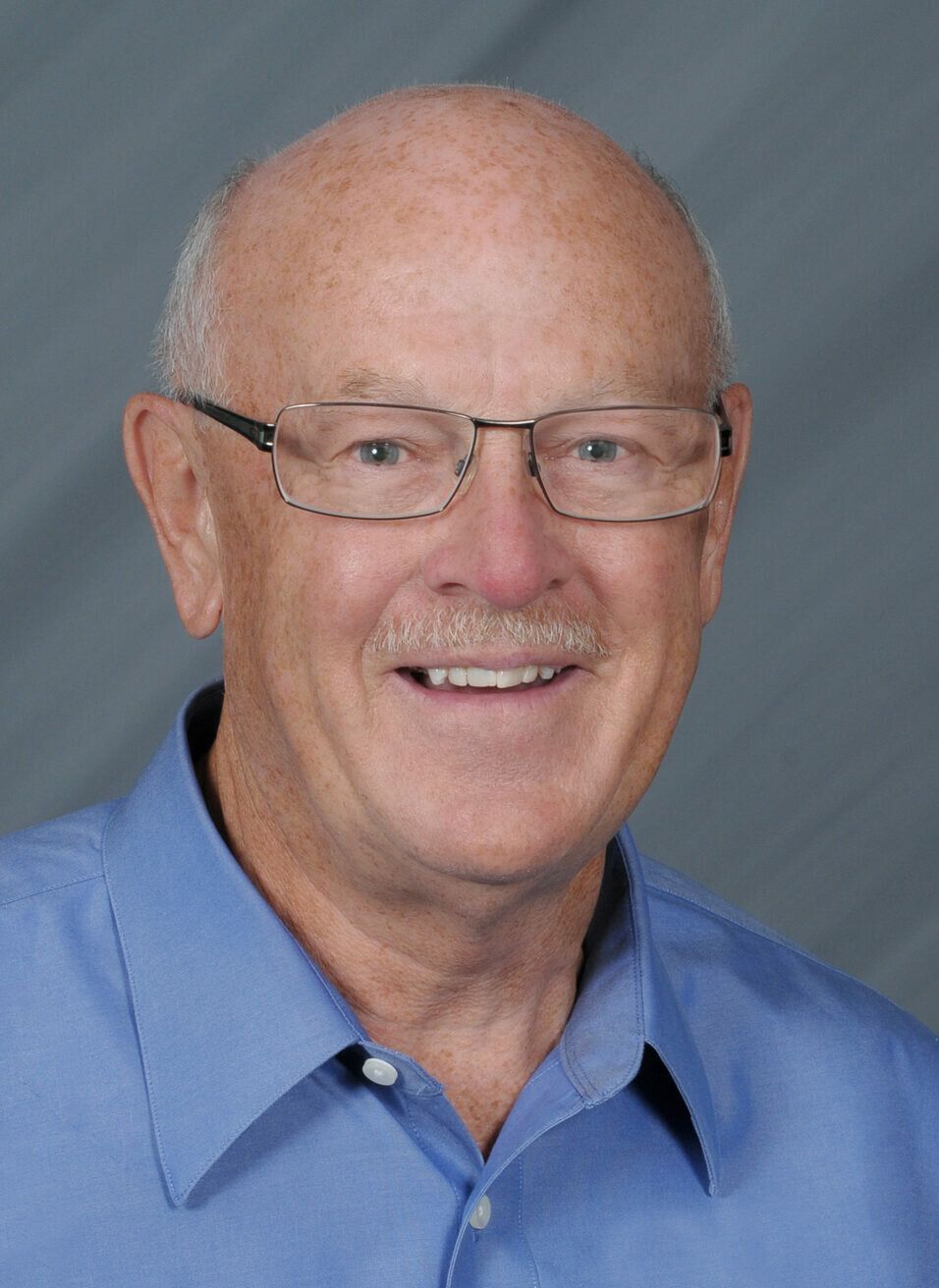
Steve Corbin is professor emeritus of marketing at University of Northern Iowa.


Comments
No comments on this item Please log in to comment by clicking here